15mg Oxycodone: 9 Critical Facts You Must Understand Before Taking This Powerful Opioid
15mg oxycodone is a prescription opioid medication used to treat moderate to severe pain. While effective for pain management, it carries serious risks including dependence, overdose, and addiction.
If you or someone you know has been prescribed , here’s what you need to know.
What Is 15mg Oxycodone?
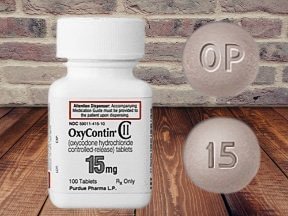
15mg oxycodone refers to an immediate-release tablet containing 15 milligrams of oxycodone hydrochloride. It is typically prescribed for:
- Post-surgical pain
- Injury-related pain
- Severe chronic pain
- Cancer-related pain
It belongs to a class of medications called opioid analgesics.
How Does 15mg Oxycodone Work?
Oxycodone works by binding to opioid receptors in the brain and spinal cord. This:
- Reduces the perception of pain
- Alters emotional response to discomfort
- Produces sedation
Because it affects the central nervous system, it can also slow breathing — especially at higher doses.
Is 15mg Oxycodone a High Dose?
For someone who is not opioid-tolerant, is considered a relatively strong dose.
Doctors determine dosage based on:
- Patient’s pain severity
- Prior opioid exposure
- Body weight
- Liver and kidney function
- Overall health status
It should only be taken exactly as prescribed.
Common Side Effects
Like all opioids, 15mg oxycodone may cause:
- Drowsiness
- Constipation
- Nausea or vomiting
- Dizziness
- Dry mouth
- Headache
More serious side effects include slowed breathing, confusion, fainting, and overdose.
Seek emergency medical attention if breathing becomes shallow or difficult.
5️⃣ Risk of Dependence and Addiction
15mg oxycodone has a high potential for:
- Physical dependence
- Tolerance (needing higher doses)
- Opioid use disorder
- Withdrawal symptoms
Stopping suddenly after prolonged use may cause withdrawal symptoms such as sweating, anxiety, muscle aches, and insomnia.
Always taper under medical supervision.
Dangerous Drug Interactions
Combining 15mg oxycodone with certain substances increases overdose risk, including:
- Alcohol
- Benzodiazepines (e.g., anti-anxiety medications)
- Sleeping pills
- Other opioids
These combinations can severely suppress breathing.
Signs of Overdose
An oxycodone overdose may include:
- Slow or irregular breathing
- Blue lips or fingernails
- Extreme drowsiness
- Unresponsiveness
- Gurgling sounds
Immediate medical intervention is critical. Naloxone may reverse opioid overdose in emergencies.
Who Should Avoid 15mg Oxycodone?
It may not be suitable for individuals who:
- Have respiratory conditions
- Have a history of substance misuse
- Have severe liver impairment
- Are pregnant or breastfeeding
- Take certain CNS depressants
A full medical evaluation is essential before starting treatment.
Safer Pain Management Options
Depending on the condition, alternatives may include:
- Non-opioid pain relievers
- Physical therapy
- Anti-inflammatory medications
- Behavioral therapy
- Interventional procedures
Pain treatment should always balance relief with safety.
Final Thoughts on 15mg Oxycodone
15mg oxycodone can be effective for managing severe pain when prescribed responsibly. However, it is a powerful opioid that carries significant risks.
Understanding:
- Proper dosing
- Side effects
- Addiction potential
- Overdose warning signs
can help reduce harm and promote safer use.