Roxicodone 30: 8 Essential Facts You Must Know About This Potent Opioid Medication
Roxicodone 30 refers to a 30 mg immediate-release oxycodone tablet prescribed for moderate to severe pain. Because it is a high-strength opioid, understanding its risks and proper medical use is critical.
This guide explains what roxicodone is, how it works, potential dangers, and safe usage considerations.
What Is Roxicodone 30?
Roxicodone is a brand name for immediate-release oxycodone hydrochloride. The “30” indicates a 30 mg dosage strength.
It is typically prescribed for:
- Severe injury-related pain
- Post-surgical pain
- Cancer-related pain
- Chronic severe pain requiring opioid therapy
It is classified as a controlled substance due to its high abuse potential.
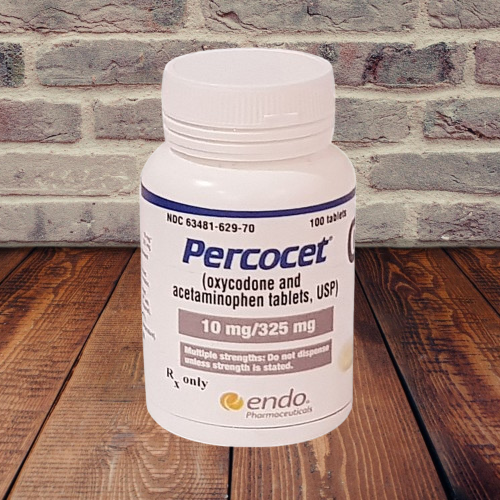
Is Roxicodone 30 a High Dose?
Yes. Roxicodone is considered a strong opioid dose, especially for individuals who are not opioid-tolerant.
Doctors usually prescribe this strength only when:
- Lower doses are ineffective
- The patient has prior opioid exposure
- Pain severity justifies stronger treatment
It should never be taken without medical supervision.
How Does It Work?
Roxicodone works by binding to opioid receptors in the brain and spinal cord. This:
- Blocks pain signals
- Alters pain perception
- Produces sedation
Because it affects breathing centers in the brain, high doses can slow respiration.
Common Side Effects
Like other opioids, roxicodone 30 may cause:
- Drowsiness
- Constipation
- Nausea
- Dizziness
- Sweating
- Dry mouth
More serious reactions include confusion, low blood pressure, and slowed breathing.
Addiction and Dependence Risk
Roxicodone 30 carries a high risk of misuse and addiction.
Potential risks include:
- Physical dependence
- Tolerance (needing higher doses)
- Withdrawal symptoms
- Opioid use disorder
Stopping suddenly after long-term use can cause withdrawal symptoms such as anxiety, muscle pain, insomnia, and sweating.
Always taper under medical guidance.
Dangerous Interactions
Combining roxicodone 30 with certain substances increases overdose risk, including:
- Alcohol
- Benzodiazepines
- Sleeping pills
- Other opioids
These combinations can dangerously suppress breathing.
Signs of Overdose
An opioid overdose may include:
- Slow or shallow breathing
- Blue lips or fingernails
- Extreme sleepiness
- Unresponsiveness
- Gurgling sounds
Immediate emergency medical care is required. Naloxone may reverse opioid overdose if administered promptly.
Safer Pain Management Alternatives
Depending on your condition, alternatives may include:
- Non-opioid medications
- Anti-inflammatory drugs
- Physical therapy
- Behavioral pain management
- Interventional treatments
Pain management should focus on both relief and long-term safety.
Final Thoughts on Roxicodone 30
Roxicodone 30 is a powerful opioid medication intended for severe pain under strict medical supervision. While effective, it carries serious risks including addiction and respiratory depression.
Understanding dosage, side effects, interactions, and overdose warning signs is essential for safe use.