
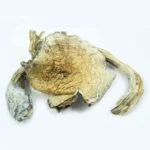
Psychedelic Mushrooms in Kentucky: Laws, Risks, Research & Public Interest Guide
Interest in psychedelic science has grown rapidly in recent years. As a result, search trends for psychedelic mushrooms in Kentucky have increased as people look for reliable information about legality, safety, and research developments.
This educational guide explains the legal status, scientific background, potential risks, and the evolving conversation around psychedelics in Kentucky and the United States.
Understanding Psychedelic Mushrooms in Kentucky
When people search psychedelic mushrooms in Kentucky, they are usually referring to musHomepagehrooms that contain the compounds psilocybin and psilocin.
These naturally occurring compounds belong to a class of substances called tryptamine psychedelics, known for altering perception, mood, and cognition.
Historically, these mushrooms have been used in cultural and spiritual ceremonies for centuries. Today, they are being studied by modern scientists for possible mental-health applications.
Legal Status of Psychedelic Mushrooms in Kentucky
Federal Law in the United States
In the U.S., psilocybin is classified as a Schedule I controlled substance under the Controlled Substances Act. This classification means it is considered to have:
- High potential for abuse
- No currently accepted medical use at the federal level
- Restricted research access
Kentucky State Law
In Kentucky, psychedelic mushrooms are illegal to possess, cultivate, or distribute. Penalties may include fines or criminal charges depending on the situation.
Anyone researching psychedelic mushrooms in Kentucky should always verify current laws using official government sources.
Why Interest in Psychedelics Is Growing
Search traffic around psychedelic mushrooms in Kentucky reflects a broader national trend. Over the past decade, scientific research into psychedelics has expanded dramatically.
Major institutions such as Johns Hopkins University and New York University have published studies exploring psilocybin’s potential role in mental-health treatment.
Researchers are studying potential applications for:
- Treatment-resistant depression
- PTSD
- Anxiety disorders
- Addiction recovery
These studies are conducted under strict medical supervision.
How Psilocybin Affects the Brain
Psilocybin interacts with serotonin receptors in the brain, particularly the 5-HT2A receptor. This receptor plays a major role in mood, cognition, and perception.
Possible effects include:
- Altered sensory perception
- Changes in time awareness
- Increased emotional sensitivity
- Deep introspective thinking
Scientists believe these changes may help explain why psychedelics are being studied for therapeutic use.
Potential Risks and Safety Concerns
While research is promising, psychedelic mushrooms are not risk-free.
Psychological Risks
Possible mental health risks include:
- Anxiety or panic reactions
- Confusion or disorientation
- Paranoia
- Triggering of underlying mental health conditions
Individuals with a history of psychosis or bipolar disorder may face higher risks.
Physical Risks
Physical effects may include:
- Increased heart rate
- Nausea
- Dizziness
- Risk of accidental injury due to altered perception
Harm Reduction and Public Health
Public health experts emphasize education and harm reduction.
Harm reduction focuses on:
- Providing accurate information
- Reducing misinformation online
- Encouraging mental-health awareness
- Promoting responsible decision-making
Organizations such as the Multidisciplinary Association for Psychedelic Studies are working to advance research and public education.
Changing Attitudes in the United States
Although psychedelic mushrooms remain illegal in Kentucky, attitudes across the U.S. are evolving.
Some cities and states have:
- Decriminalized psilocybin possession
- Launched clinical research programs
- Begun regulated therapeutic initiatives
This shift is largely driven by new scientific findings and public interest.
Frequently Asked Questions
Are psychedelic mushrooms legal in Kentucky?
No. Possession and distribution remain illegal under both state and federal law.
Why are scientists studying psilocybin?
Research suggests it may help treat depression, PTSD, and addiction in controlled medical settings.
Are psychedelic therapies currently available?
Only in clinical trials and limited medical programs.
The Importance of Education
Searches for psychedelic mushrooms in Kentucky show how quickly public curiosity is growing. However, misinformation can spread just as quickly online.
Educational resources help people:
- Understand the law
- Learn about scientific research
- Recognize risks
- Make informed decisions
Reliable information is essential as the conversation around psychedelics continues to evolve.
Final Thoughts
Interest in psychedelic mushrooms in Kentucky reflects a broader global shift toward exploring new mental-health treatments and scientific research.
Although these substances remain illegal in Kentucky, ongoing studies continue to expand our understanding of how psychedelics affect the brain and mental health.
Education, legal awareness, and scientific research remain the most responsible way to approach this rapidly developing topic.