Description
What Is 4-AcO-DMT? Effects, Risks, and Where It Is Discussed Online
Introduction to 4-AcO-DMT
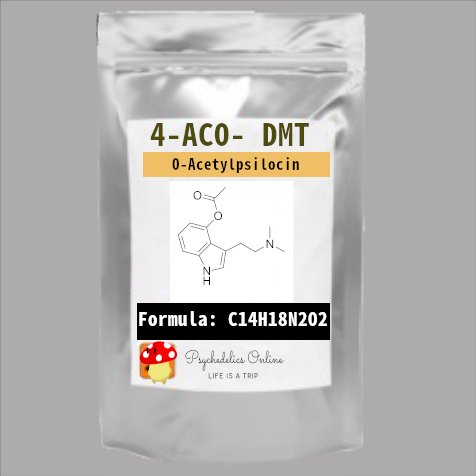
4-AcO-DMT, also known as O-Acetylpsilocin, is a synthetic psychedelic compound that belongs to the tryptamine class of chemicals. Many researchers and enthusiasts discuss this compound in relation to naturally occurring psychedelics found in certain mushrooms.
In online discussions, people often search terms like “where to find DMT” or information about similar compounds. However, it is important to understand that substances like DMT and its analogs are controlled in many countries and should only be studied within legal and scientific frameworks.
This article provides educational information about 4-AcO-DMT, its effects, risks, and legal considerations.
H2: Where to Find DMT Information and Research Resources
Many people searching “where to find DMT” are actually looking for scientific information and research discussions about the compound.
Reliable information sources include:
-
Scientific publications
-
Academic research databases
-
Harm-reduction organizations
-
Drug policy research institutions
These resources provide credible, educational information rather than promoting illegal activity.
Some helpful external educational resources include:
-
https://www.erowid.org (psychoactive substance research database)
-
https://maps.org (psychedelic science research organization)
-
https://www.ncbi.nlm.nih.gov (scientific medical research database)
These websites publish peer-reviewed or harm-reduction based information about psychoactive compounds.
H2: What Is 4-AcO-DMT?
4-AcO-DMT (4-Acetoxy-DMT) is considered a prodrug of psilocin, the active compound found in psychedelic mushrooms.
Chemically, it belongs to the tryptamine family, which also includes compounds like:
-
DMT (N,N-Dimethyltryptamine)
-
Psilocin
-
Psilocybin
When metabolized by the body, 4-AcO-DMT may convert into psilocin, which interacts with serotonin receptors in the brain.
This interaction affects perception, cognition, and emotional processing.
H2: Effects of 4-AcO-DMT
The effects reported in scientific literature and user reports can vary depending on dosage, environment, and individual physiology.
H3: Psychological Effects
Common psychological effects discussed in research include:
-
Altered perception of time
-
Visual pattern enhancement
-
Emotional introspection
-
Enhanced sensory awareness
-
Changes in thought patterns
Many users compare the experience to that of psilocybin mushrooms, although the intensity and duration may differ.
H3: Physical Effects
Reported physical effects may include:
-
Mild nausea
-
Dilated pupils
-
Increased heart rate
-
Changes in body temperature perception
-
Muscle relaxation
Because of these effects, scientists stress the importance of controlled research environments when studying psychoactive compounds.
Where to Find DMT in Nature (Scientific Perspective)
When people search “where to find DMT,” they are often referring to natural sources studied by scientists.
DMT naturally occurs in certain plants and organisms. Researchers have identified it in:
-
Various Amazonian plants
-
Some grasses
-
Certain tree bark species
These plants are sometimes used in traditional cultural practices in South America. However, outside traditional contexts, DMT is heavily regulated in many regions.
Legal Status of 4-AcO-DMT
The legality of 4-AcO-DMT varies worldwide.
In many countries:
-
DMT is classified as a Schedule I controlled substance
-
Analogs such as 4-AcO-DMT may fall under analog drug laws
Because of these regulations, possession, distribution, or sale may be illegal.
Anyone interested in psychedelic science should always check local regulations and laws before conducting research or discussions involving these compounds.
Harm Reduction and Education
Organizations focused on harm reduction encourage education about psychoactive compounds rather than unsafe experimentation.
Important principles include:
-
Learning from scientific sources
-
Understanding legal implications
-
Prioritizing safety and mental health
-
Avoiding unverified or unsafe products
Educational platforms like:
provide research-based information and community knowledge archives.
The Future of Psychedelic Research
In recent years, interest in psychedelic science has increased significantly. Universities and medical institutions are studying compounds related to DMT and psilocybin for potential therapeutic use.
Areas of research include:
-
Depression treatment
-
PTSD therapy
-
Anxiety reduction
-
End-of-life psychological care
Clinical trials and academic studies continue to explore how these compounds interact with the human brain.
Conclusion
4-AcO-DMT is a synthetic psychedelic compound related to naturally occurring substances like psilocin and DMT. While many online searches focus on “where to find DMT,” the most valuable information comes from scientific research, educational resources, and harm-reduction organizations.
Understanding the effects, risks, and legal status of these compounds is essential for anyone interested in psychedelic science. As research continues, scientists hope to better understand how these substances influence consciousness and mental health.
Educational knowledge and responsible discussion remain the most important approach when exploring topics related to psychedelic compounds.
Reviews
There are no reviews yet.